The Struggle is Real
If you’ve tried to place nursing students in clinical sites lately, you already know how tough it’s gotten. What used to be a headache is now a full-blown challenge: not enough sites, too much competition, and way too many “students can’t actually do that here” restrictions once they *do* get placed.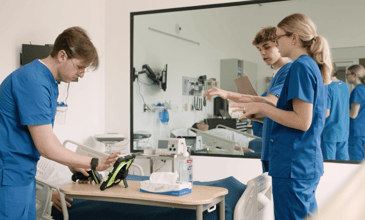
It’s frustrating, right? Students want hands-on experience, faculty want to give it to them, and hospitals want to protect patients and staff time. That’s a lot of competing priorities to juggle.
Why is This Happening?
Geography Matters: If your program is in a rural area, you may have limited clinical partners to begin with. If you’re in a city, you might be surrounded by hospitals — but also a dozen other schools fighting for the same placements. Neither situation is easy.
So Many Students, So Few Slots: With the ongoing nursing shortage, schools are enrolling more students. That’s great news for the profession, but it makes clinical placements harder to come by.
Students Can’t Always “Do”: Even when a placement is secured, some facilities limit what students can practice. Liability concerns, shorter hospital stays, and high-acuity patients mean learners may spend more time watching than doing.
Not Exactly a New Problem: Nursing education has always had to balance limited access to patients with the need for hands-on experience. But higher patient acuity, workforce shortages, and packed hospitals have turned what used to be a manageable issue into a major barrier.
So, What Can We Do About It?
Lean Into Simulation: Simulation isn’t just a “nice to have” anymore — it’s an evidence-based replacement for part of clinical. The NCSBN study showed that up to 50% of traditional hours can be replaced with simulation without losing learning outcomes.
Rethink the Lab: Skills labs can mimic high-stakes, high-frequency situations like med errors, rapid patient deterioration, or tough conversations with families.
Think Outside the Hospital: Community clinics, schools, long-term care facilities, and telehealth programs can all provide meaningful experiences.
Team Up for Change: Nursing leaders can push for policy changes that recognize simulation as equivalent to some clinical hours.
Stack Skills in Advance: If students can’t do everything in clinicals, make sure they’ve done it in the lab first.
Wrapping It Up
Clinical placement challenges aren’t going away tomorrow. But that doesn’t mean students have to leave nursing school feeling underprepared. With creative use of simulation, smarter lab design, and a willingness to think beyond traditional placements, we can keep sending practice-ready nurses into the workforce — confident, competent, and ready for whatever comes their way. Download our FREE resource “Clinical Crunch Busters-10 Things to Do in Your Nursing Lab or Simulation When Clinical Placements Fall Short” HERE!