
The benefits of simulation in nursing education, including improved patient safety, enhanced learning outcomes, real-world relevance, interprofessional collaboration, cost-effectiveness, ethical considerations, and continuous professional development, make it a worthwhile endeavor for nursing institutions and educators.
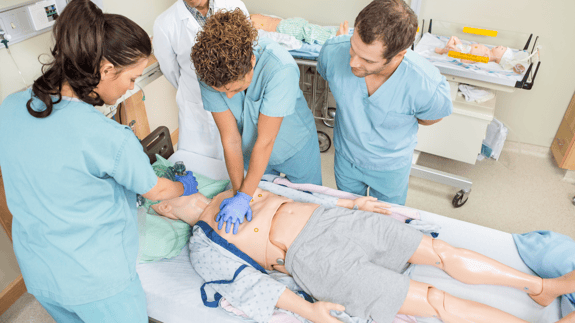
1. Enhanced Clinical Judgment:
- Allows nursing students to practice critical thinking and decision-making skills in a controlled environment, replicating real-life patient scenarios.
- Engagement in various simulations allows nursing students to develop their clinical judgment, which is crucial for providing safe and effective patient care.
2. Realistic Experiences:
-
- Nursing simulations provide a lifelike experience that mirrors the complexities of actual patient care.
- Nursing students can interact with high-fidelity manikins, standardized patients, or virtual simulations, exposing them to various clinical situations they might encounter in their nursing careers.
3. Risk-Free Learning:
- Simulation offers a safe and controlled environment for nursing students to practice procedures and interventions without putting real patients at risk.
- This allows nursing students to learn from mistakes, gain confidence, and refine their skills before entering clinical settings.
4. Interprofessional Collaboration:
- Simulations can be designed to involve multiple healthcare disciplines, allowing nursing students to work in teams with other healthcare professionals.
- This fosters teamwork, communication, and understanding of each role's contributions, preparing students for collaborative patient care in real healthcare settings.
5. Versatility in Learning:
- Simulations can be adapted to meet specific learning objectives and cater to students with varying skill levels.
- Simulations can be used for basic assessments, advanced procedures, or complex patient scenarios.
- Simulations offer a versatile approach to nursing education that accommodates individual student needs.
What do you think? What are the benefits you've seen of simulation in nursing education?
X
![]()
views


.jpg?width=352&name=s%20(7).jpg)